04 / The SlotsCollector take
Three eligible sharks, one random trigger question
Megadon Triple Threat puts three shark-feast rules above a five-reel ways game. Orange, green and blue Scatters can make different random features eligible; the Hangry Meters show collected colours without improving trigger odds. Use the free demo to read the three routes before treating a filling meter as progress.
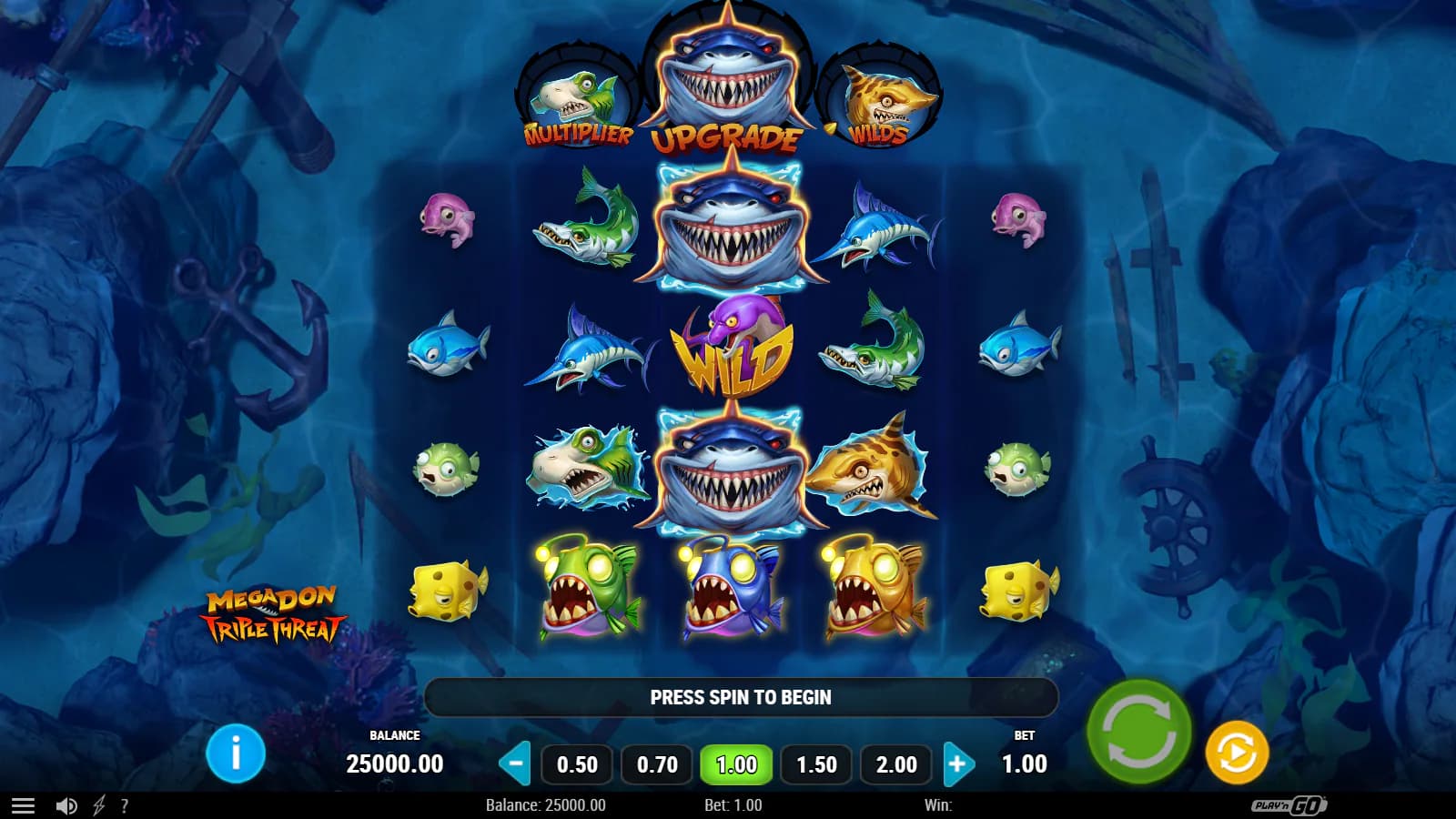
Megadon Triple Threat presents its main question before the first spin: which of the three sharks is actually involved when a feature starts? The screen has separate Hangry Meters for a multiplier, an upgrade and extra Wilds, and orange, green and blue Scatter Symbols feed the corresponding display. Those meters make the base game easy to watch, but Play’n GO says their accumulation does not increase the chance of a Feast. A Shark Feast activates randomly only when its relevant coloured Scatter is on the reels. This distinction matters because a nearly full-looking circle can feel like a promise of the next bonus when it is only a visual record of earlier Scatter appearances.
The ordinary game has five reels and up to 1,024 ways. An Electric Eel Wild can appear on reels two through five and substitute for paying symbols, but not for the coloured Scatters. The three inspected demo frames establish the look of that base game rather than the value of its bonus rounds. The opening shows a 1.00 virtual bet and a 25,000.00 practice balance, with no credited result. One later board marks a yellow-fish way worth 0.40; another displays two blue-fish ways and a 0.20 win. These are small recorded base-game results, not evidence that any meter completed or a Feast paid.
Leopard Feast is the route for players who enjoy changing symbol density. It needs an orange Scatter on the triggering board and starts with eight Free Spins. During each spin, Leopard chooses two to five small-fish positions on reels two through five and turns those fish into Leopard Wilds. This is an upgrade of potential connection points, not an automatic win on every selected position. Coloured Scatters are absent in this Feast, and the provider says it does not retrigger. Its appeal is therefore immediate: the added Wilds have eight starting chances to form useful ways rather than a meter-driven route to a longer round.
Hammerhead Feast changes the value of a qualifying connection instead of choosing small fish. With a green Scatter present, it can start randomly and also awards eight Free Spins without a retrigger. Hammerhead turns Electric Eel Wilds into 2× Hammerhead Wilds. The multiplication belongs to a win containing the Wild; a Wild with no completed combination contributes no separate payout. If several multiplier Wilds participate in the same winning combination, their multipliers are added. That rule makes placement as important as the number printed on the symbol, and it prevents the common mistake of multiplying every visible 2× together.
Mega Don Feast is the only named route here with a described extension mechanism. A blue Scatter on the reels can qualify it for random activation. It opens with eight Free Spins and one active small-fish symbol; Mega Don devours active small fish and upgrades them to Mega Don symbols. During this Feast, three blue Scatters can add three spins and activate one more small-fish symbol. The provider caps the active fish count at six and the complete round at 30 Free Spins. Those caps define the upper path, not a typical duration. Watch the live active-fish count and remaining spins separately, because more future upgrade targets and more time are different benefits.
The game becomes most distinctive when Feasts combine. Play’n GO allows one, two or all three sharks to trigger together, carrying their respective effects into the same feature. That can put Leopard’s Wild additions beside Hammerhead’s Wild multipliers or Mega Don’s upgrades. It should not be read as three independent paid bonuses stacked on top of one another: the relevant rules act inside a combined round. If Mega Don is included, blue-Scatter retriggering remains possible; a Leopard-plus-Hammerhead combination without Mega Don has no such described extension. This rule is more useful to a demo player than the size of a meter before entry.
The reviewed first-party configuration lists 96.18% RTP, high volatility, a 0.10–100.00 bet range and a 25,000× published maximum. High volatility and a large ceiling describe the available risk and upper bound; neither lets a short demo session estimate how often any Feast appears. Our visible practice frames contain two small wins at a 1.00 selected bet, so they are especially poor evidence for the headline potential. The correct way to use the demo is to learn the colour conditions, which shark effects can overlap, and whether a multiplied Wild actually participates in a paid way.
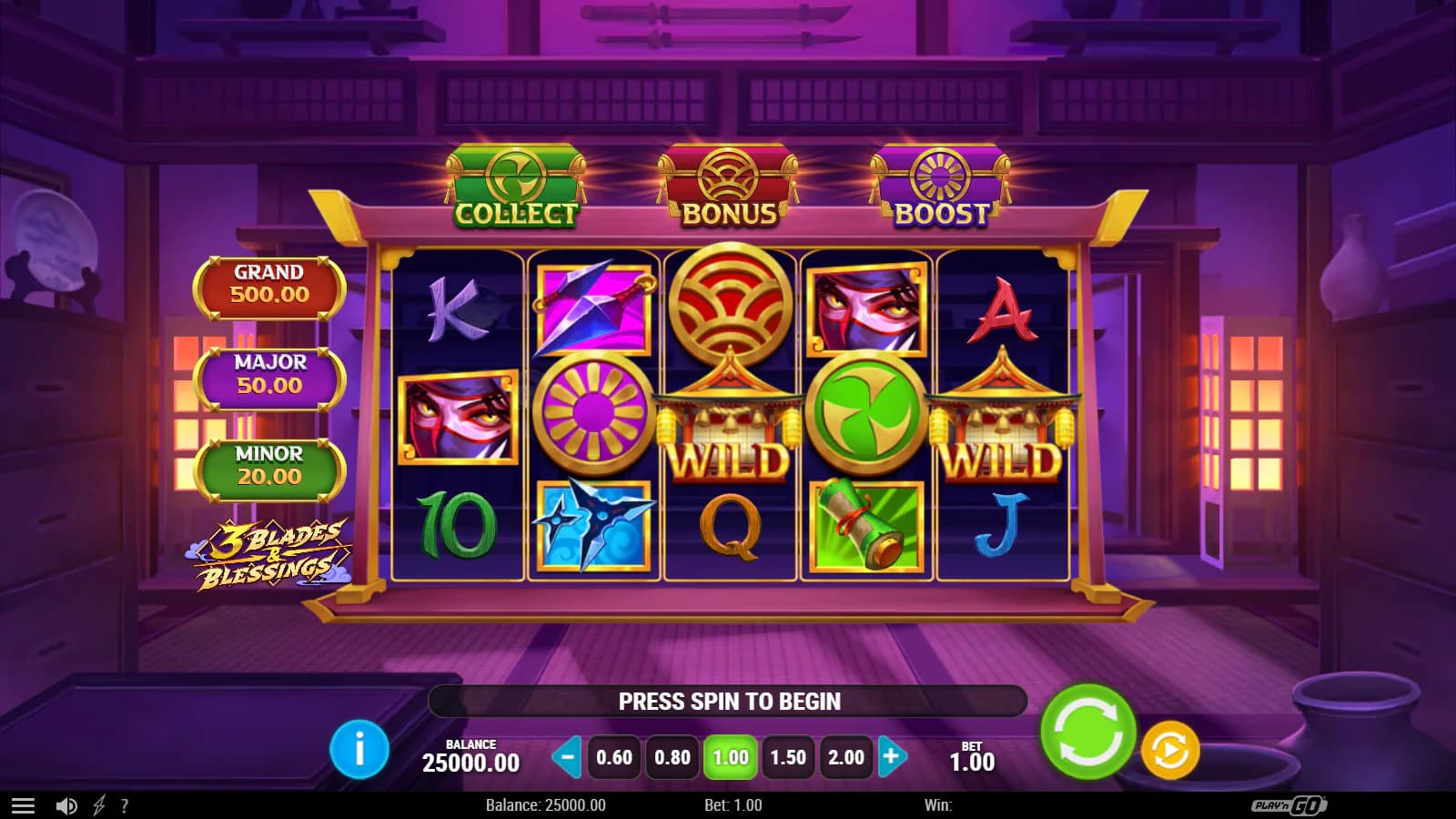
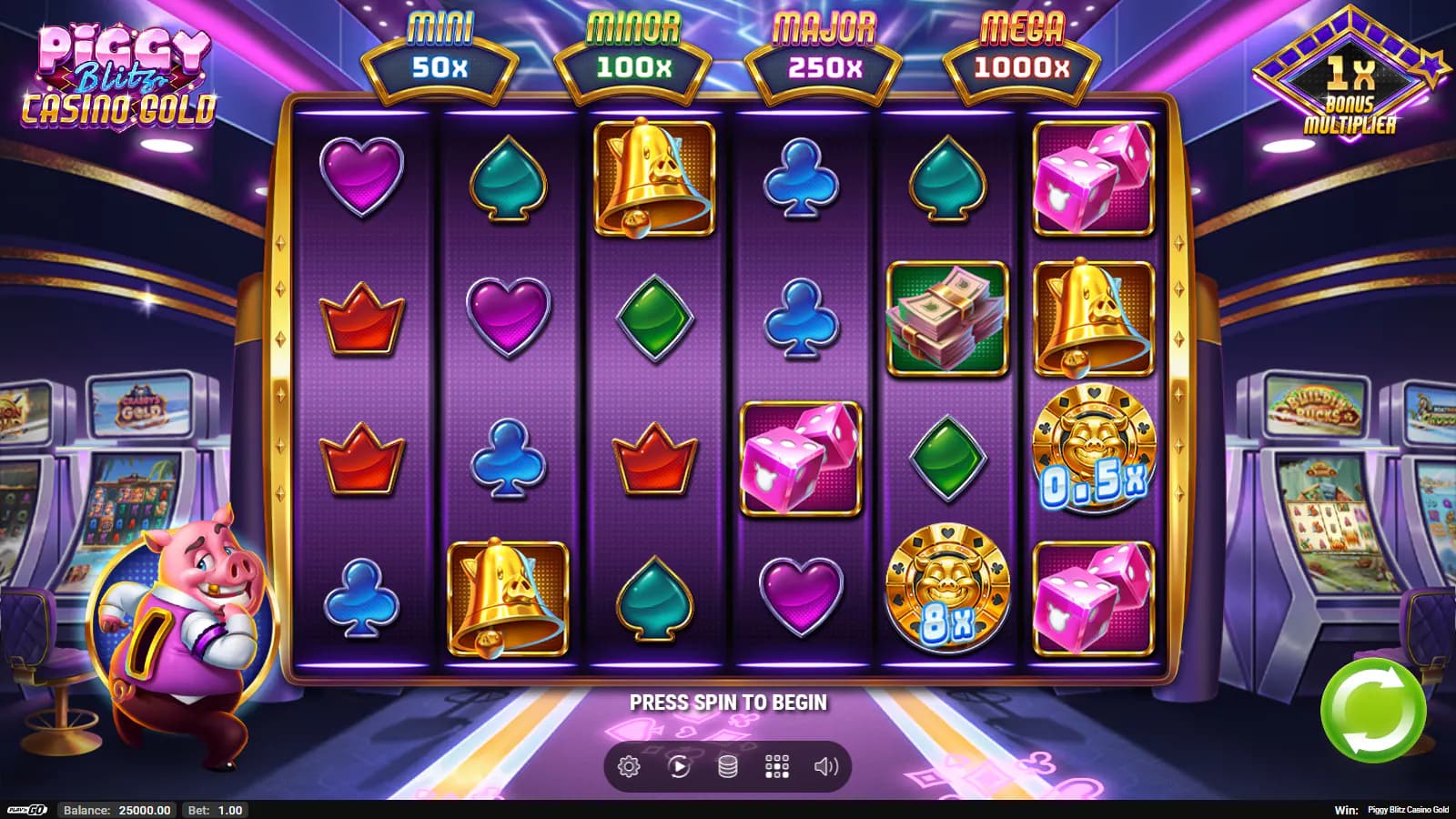
Megadon Triple Threat is strongest for players who like a readable three-part feature system and are willing to keep eligibility, activation and outcome separate. It is less comfortable if visual progress meters create an expectation of a guaranteed trigger, or if eight-spin features feel too short without a retrigger. Compared with 3 Blades & Blessings, it has another three-colour combination idea but assigns the colours to distinct shark behaviours; compared with Piggy Blitz Casino Gold, its prominent meters are particularly important to interpret as visual tracking rather than stored value. The demo is worth opening for that reading exercise even when no Shark Feast arrives during a brief trial.